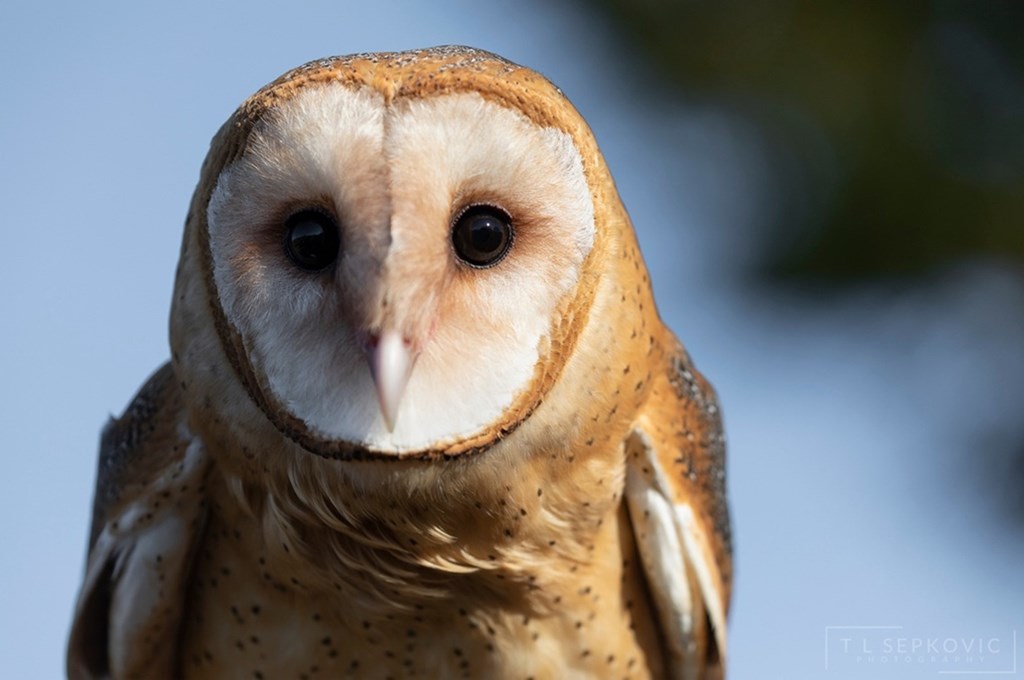
Why are Owls Associated with wisdom? It seems like an obvious pairing today. Give an owl a pair of enormous eyes, a serious expression, and a perch on top of an old book, and somehow it looks like it has been contemplating the meaning of life for several centuries.
But the idea that owls are wise didn’t come from nature alone. Their reputation has been shaped by mythology, literature, folklore, and eventually modern fantasy.
From the owl of Athena in ancient Greece to Shakespeare’s ominous owls and the magical owls of Harry Potter, these mysterious birds have accumulated quite a literary resume.
So how did the owl become the unofficial mascot of wisdom?
1. Why Are Owls Associated With Wisdom in the First Place?
The most important part of the answer goes back to ancient Greece.
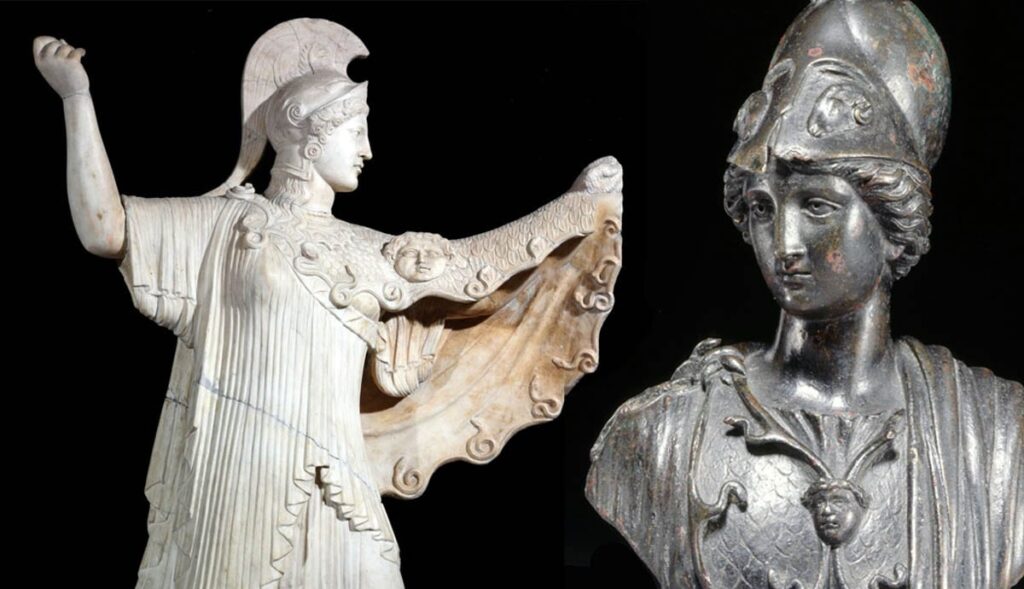
The owl was closely associated with Athena, the Greek goddess of wisdom, strategy, and warfare. Athena’s connection with the owl helped establish the bird as a symbol of knowledge and wisdom that would survive for thousands of years.
The Romans continued the tradition through Minerva, their goddess of wisdom. The owl became associated with her as well, helping cement the symbolism in the ancient world.
This connection is one of the major reasons that when we see an owl today, we instinctively think of intelligence and knowledge. The funny thing is that ancient people weren’t necessarily thinking, “Owls are incredibly intelligent birds.”
They were also responding to something much more mysterious.
Owls are creatures of the night. They hunt in darkness, see exceptionally well in low light, and can locate prey through remarkably sensitive hearing. Their ability to move through the darkness almost silently made them seem like creatures that possessed knowledge humans didn’t have.
The Cornell Lab of Ornithology notes that owls have long been viewed both as symbols of knowledge and wisdom and, in other traditions, as ominous or even frightening creatures.
In other words, the owl wasn’t simply wise.
It was mysterious.
And mystery has always been excellent fuel for mythology.
2. The Owl of Athena
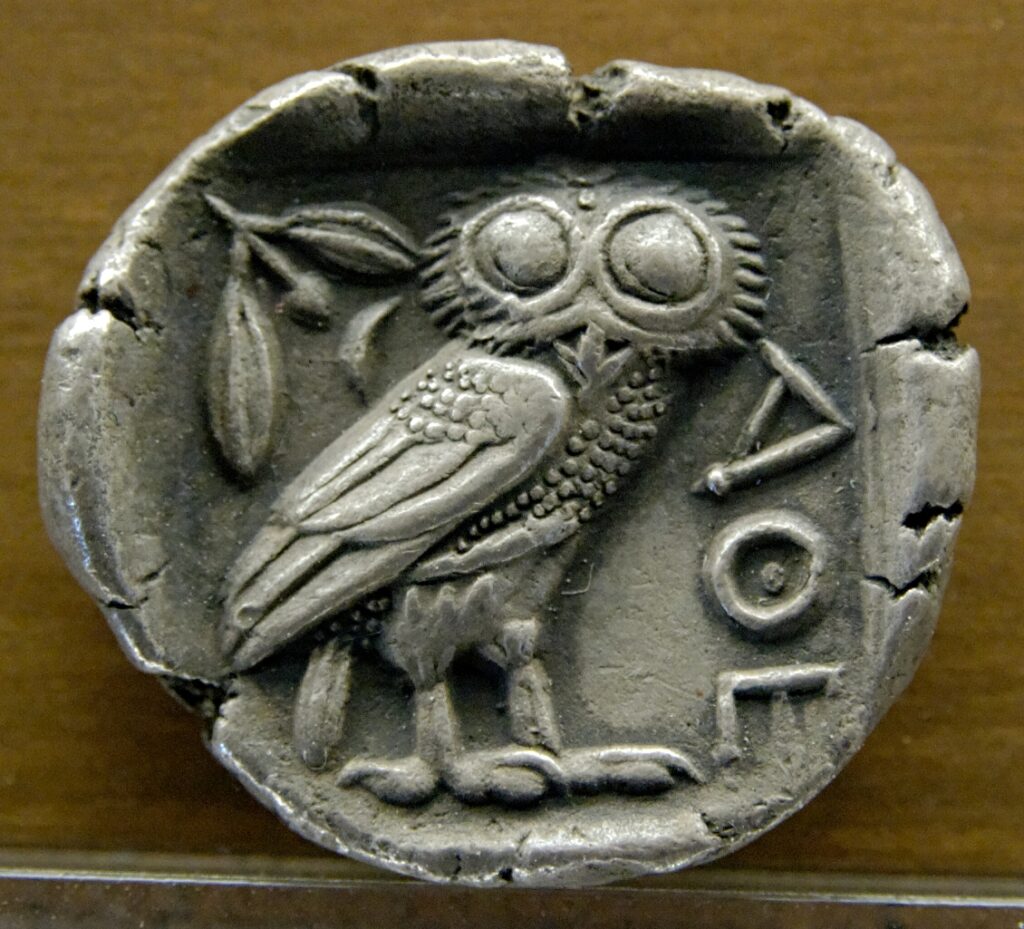
If you have ever seen an ancient Greek coin featuring an owl, you’ve probably encountered this connection without realizing it.
Athens used the owl as a symbol of the city and its patron goddess, Athena. The famous Athenian “owl” coin featured an owl alongside symbols associated with Athena.
The owl essentially became a visual shorthand for:
Athena>Wisdom>Knowledge>The Owl
And once a symbol becomes established in art and culture, it can be remarkably difficult to get rid of.
Thousands of years later, we’re still drawing owls next to books and graduation caps.
The association also crossed cultures. The Roman goddess Minerva, who was associated with wisdom and closely paralleled Athena, inherited the owl symbolism.
That ancient connection is still recognized today. Even the official Harry Potter site notes that the owl’s association with wisdom was established in Roman times through its connection with Minerva.
3. Owls in Literature Aren’t Always Wise
Here’s where things get interesting.
If owls are symbols of wisdom, you might expect writers to consistently portray them as calm, thoughtful creatures sitting in trees dispensing philosophical advice.
Not exactly.
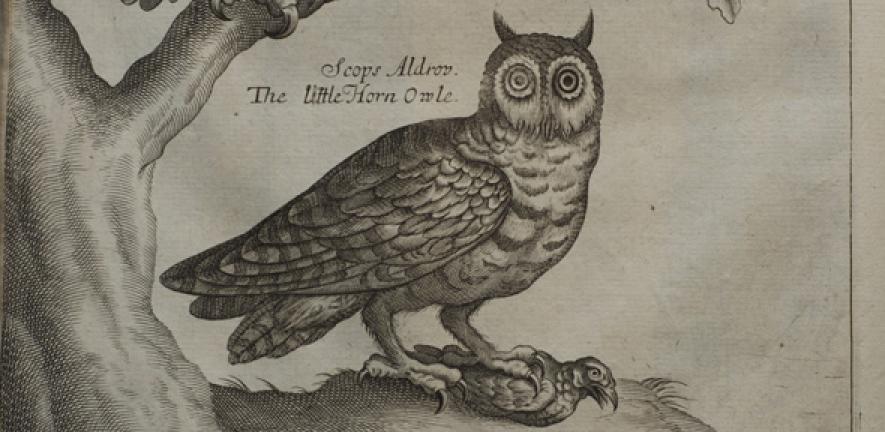
Literature has also used owls as omens, symbols of death, darkness, and the supernatural.
One of the best examples comes from William Shakespeare.
In Macbeth, Lady Macbeth hears an owl immediately before Duncan’s murder. She calls it the “fatal bellman,” turning the owl’s cry into an ominous announcement of death.
The Folger Shakespeare Library notes that Shakespeare’s owl in Macbeth functions as a harbringer of Duncan’s death, reflecting the ominous associations owls could carry in early modern culture.
4. Why Did Owls Become Associated With Magic?
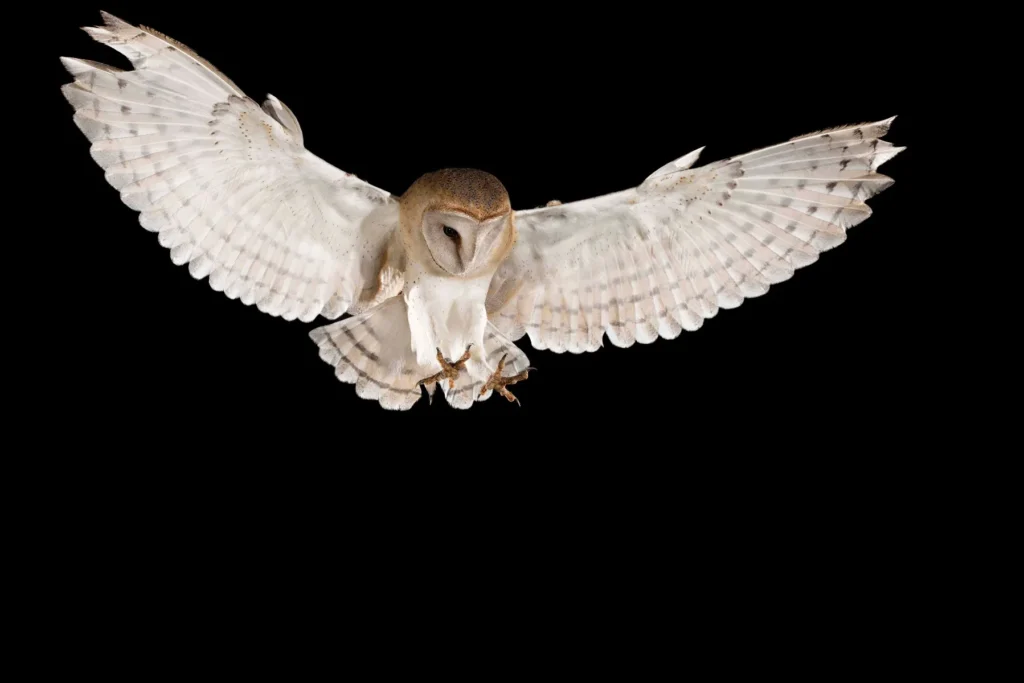
The owl’s nighttime habits also helped connect it with the supernatural.
For much of human history, darkness was mysterious and dangerous. People couldn’t simply turn on a porch light and see what was happening in the woods.
Then along comes a bird that:
- hunts almost entirely at night,
- has enormous forward-facing eyes,
- can fly remarkably quietly,
- can locate prey using sounds,
- and makes strange calls in the darkness.
It’s not hard to understand why people might have decided there was something supernatural about it.
Owls consequently developed a complicated reputation.
In some tradition they represented wisdom and knowledge.
In others, they represented death, prophecy, bad luck, or darkness.
That duality makes them particularly useful in literature.
A writer can use an owl to suggest that a character as wise or that something very bad is coming.
5. The Owl Becomes a Literary Symbol
As literature evolved, the owl became a convenient symbol that readers could recognize almost immediately.
An owl could represent:
Wisdom- Because of Athena and Minerva
Knowledge- Because of its association with scholars and learning.
Mystery- Because it belongs to the nighttime world.
Death- Because of its ominous folklore.
Prophecy- Because people associated nighttime creatures with supernatural knowledge.
This is one reason symbolism is so useful in literature.
You don’t have to spend three pages explaining that a character is mysterious, knowledgeable, and slightly unsettling.
You can just put an owl in the tree.
Readers already understand the assignment.
6. Then Harry Potter Made Owls Magical Again
Modern fantasy took the owl’s existing repuration and ran with it.
Perhaps the most famous modern example is Harry Potter.
In the wizarding world, owls aren’t merely symbolic. They’re actually used to deliver letters, packages, newspapers, and other messages.
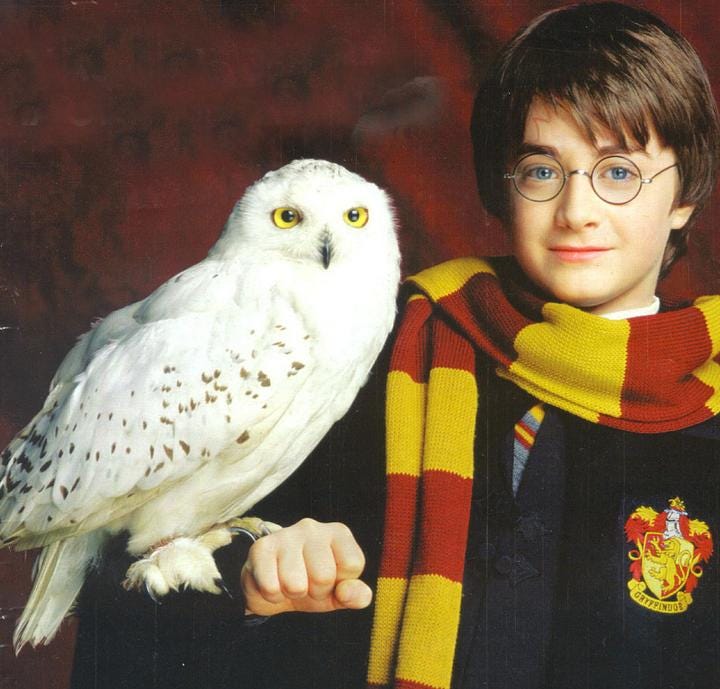
Harry has Hedwig
Ron has Pigwidgeon.
The Weasleys have Errol.
And Hogwarts has an entire owlery.
The official Harry Potter site explains that owls became the most common method of magical communication in the wizarding world, in part because of their night vision, stealth, agility, and the ability to track their intended recipients.
It’s particularly clever use of existing folklore.
Owls already had associations with:
Magic+Mystery+Wisdom+The Night.
So J.K. Rowling turned them into the magical world’s postal workers.
And honestly, it makes perfect sense.
If you wanted to send a mysterious letter to a wizard in a fantasy novels, would you rather have it delivered by a morning dove?
Probably not.
You want an owl.
7. When the Wise Owl Becomes Something Terrifying
Not every modern story uses Owls as a symbol of wisdom or friendly magical creatures.
Sometimes, their mysterious nature takes a much darker turn.
The 2009 science-fiction horror film The Fourth Kind uses owl imagery in a particularly unsettling way. The movie centers on supposed unexplained events in Nome, Alaska, and repeatedly features an owl-like figure associated with the strange experiences of its characters.
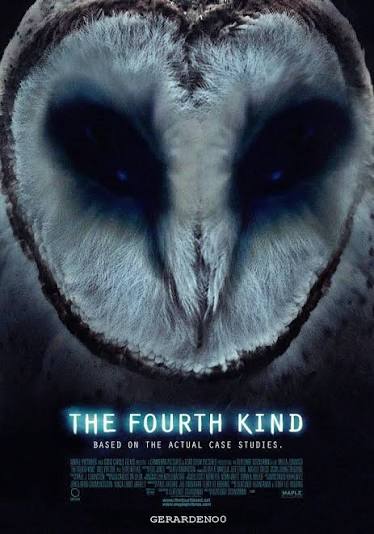
What makes this effective is that the film takes qualities we already associate with owls, such as their nocturnal behavior, enormous eyes, and mysterious presence, and turns them into something frightening.
Instead of an owl sitting peacefully beside a stack of books, the owl becomes a symbol of something unknown, watching from the darkness.
Completely opposite of the wise owl associated with Athena.
And that’s what makes such effective creatures in storytelling. They already exist in a strange space between the familiar and the mysterious. We recognize them as ordinary animals, but their nighttime habits and unusual appearance make them feel almost otherworldly.
From Athena’s wise companion to Hedwig delivering letters to a terrifying figure in The Fourth Kind, the owl has managed to become a symbol of something much broader than wisdom.
It represents the unknown.
And humans have always been fascinated and occasionally terrified by things we can’t quite explain.
The Wise Owl Is Really a Story We Tell
So, why are owls associated with wisdom?
The answer isn’t one single story.
It’s thousands of years of stories layered on top of one another.
The owl became associated with Atehna and Minerva, connecting it with wisdom and knowledge. Folklore fave it darker associations with death and prophecy. Literature used it as a symbol of both wisdom and ominous mystery. Modern fantasy turned wose old associated into magical creatures like Hedwif and other owls of the wizarding world.

An eventually the image became almost universal:
An owl.
A book.
A pair of spectacles.
Perhaps a tiny graduation cap.
We see it and immediately think:
Wisdom.
Whether the owl actually knows what it’s doing is another question.
But perhaps that’s part of the charm. An owl doesn’t need to actually be wise.
It just needs to look like it knows something.
And hiding by the way they stare at us from tree branches at 2 a.m., I’m not entirely convinced they aren’t keeping secrets.
Want to Learn More About the Wonderful World of Owls?
If you are craving more owl knowledge, check out the Cornell Lab of Ornithology’s Owl Resources. If you enjoyed the literary and nerdy side of this topic, check out my other Tolkien post about whether Balrogs have wings for another deep dive into one of fantasy’s biggest debates.